The Unwritten Etiquette of Self-Contained Van Life in NZ
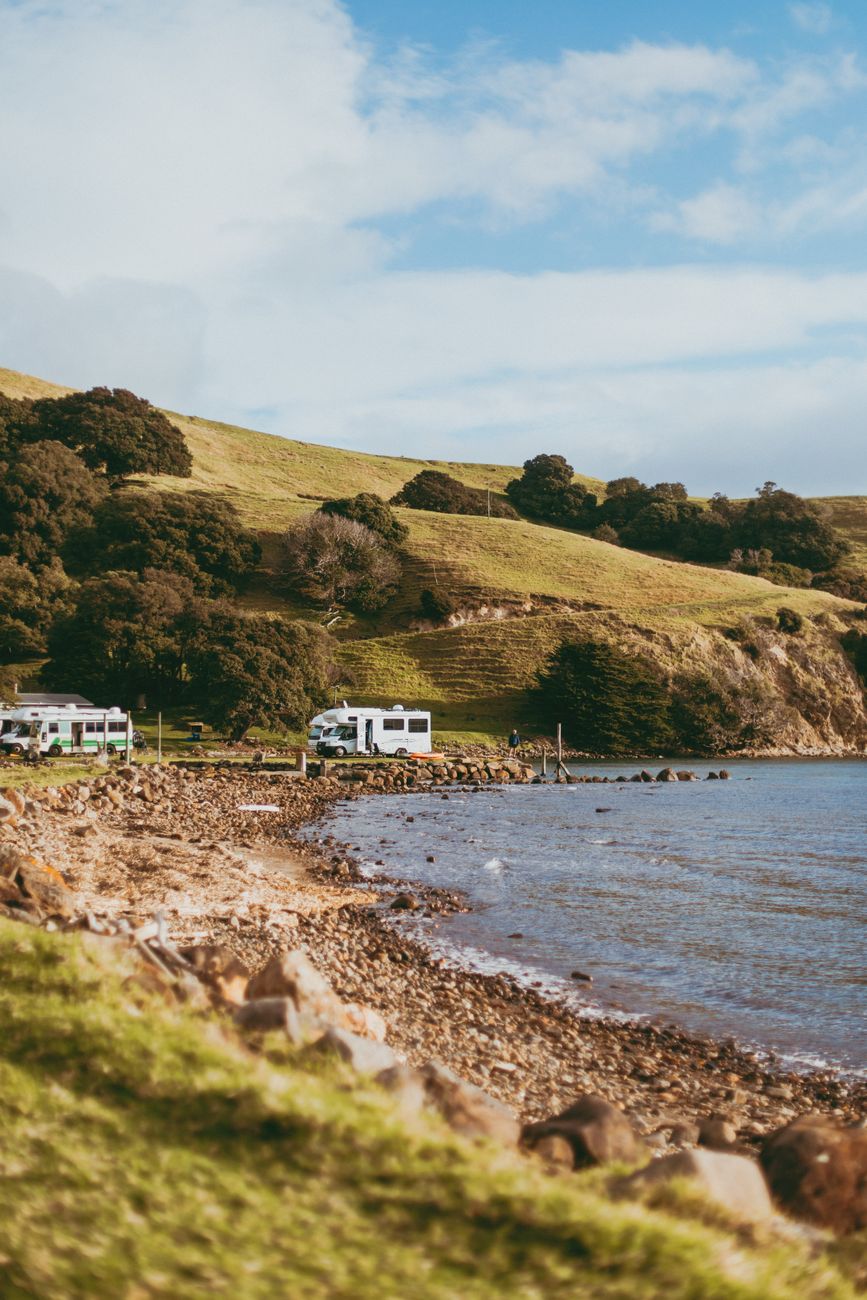
Waking up to the dawn chorus of tūī birds while mist rolls off Lake Pukaki is an iconic Kiwi travel fantasy. Yet the exponential rise of freedom camping over the past decade placed tremendous pressure on delicate ecosystems, public amenities, and rural communities. In response, New Zealand introduced the Self-Contained Motor Vehicles Legislation Act, fundamentally overhauling where and how travelers can legally camp on public conservation lands.
The Green Warrant vs. Blue Sticker Certification
Under modernized laws, older portable toilet arrangements stored inside passenger station wagons no longer meet the stringent criteria for freedom camping on unmanaged council lands. Vehicles must now feature a permanently plumbed, fixed toilet usable with the bed fully deployed, denoted by an official green warrant certificate. If your rental vehicle features only an older blue sticker, your overnight stays are restricted strictly to commercial holiday parks and designated DOC serviced campgrounds featuring permanent plumbed toilets.
Five Ground Rules for Respectful Camping
- Dump Station Rigor: Never dispose of blackwater or greywater in stormwater drains or roadside gutters. Always use official municipal dump stations, easily located via council directories and offline mapping apps.
- Arrive Late, Depart Early: In high-demand council reserves with designated 2-night limits, avoid occupying prime day-use spots during morning family recreation hours.
- Respect Local Residents' Privacy: Avoid running generators, playing amplified music, or setting up clotheslines across public car park spaces in residential zones.
- Biosecurity and Clean Waste: Food scraps attract invasive possums, stoats, and rats that devastate native flightless birds like the kiwi and takahē. Secure all waste inside sealed bins.
- Support the Town That Hosts You: If you are enjoying free overnight parking in a small township like Fairlie or Murchison, buy your morning coffee, bakery goods, and groceries at local shops.
Understanding Council Bylaw Nuances
Each territorial local authority—from the Queenstown-Lakes District Council to the Far North District Council—maintains individual freedom camping bylaws. Fines for camping in restricted areas currently start at NZ$400 and can reach up to NZ$1,000 for serious environmental violations. Checking localized signage every time you park is essential.
Questions About Camper Rentals?
Reach out for our unbiased comparison of campervan classes, insurance waivers, and ferry crossing logistics.
Contact Our Road Desk