Navigating Routeburn and Milford in the Shoulder Season
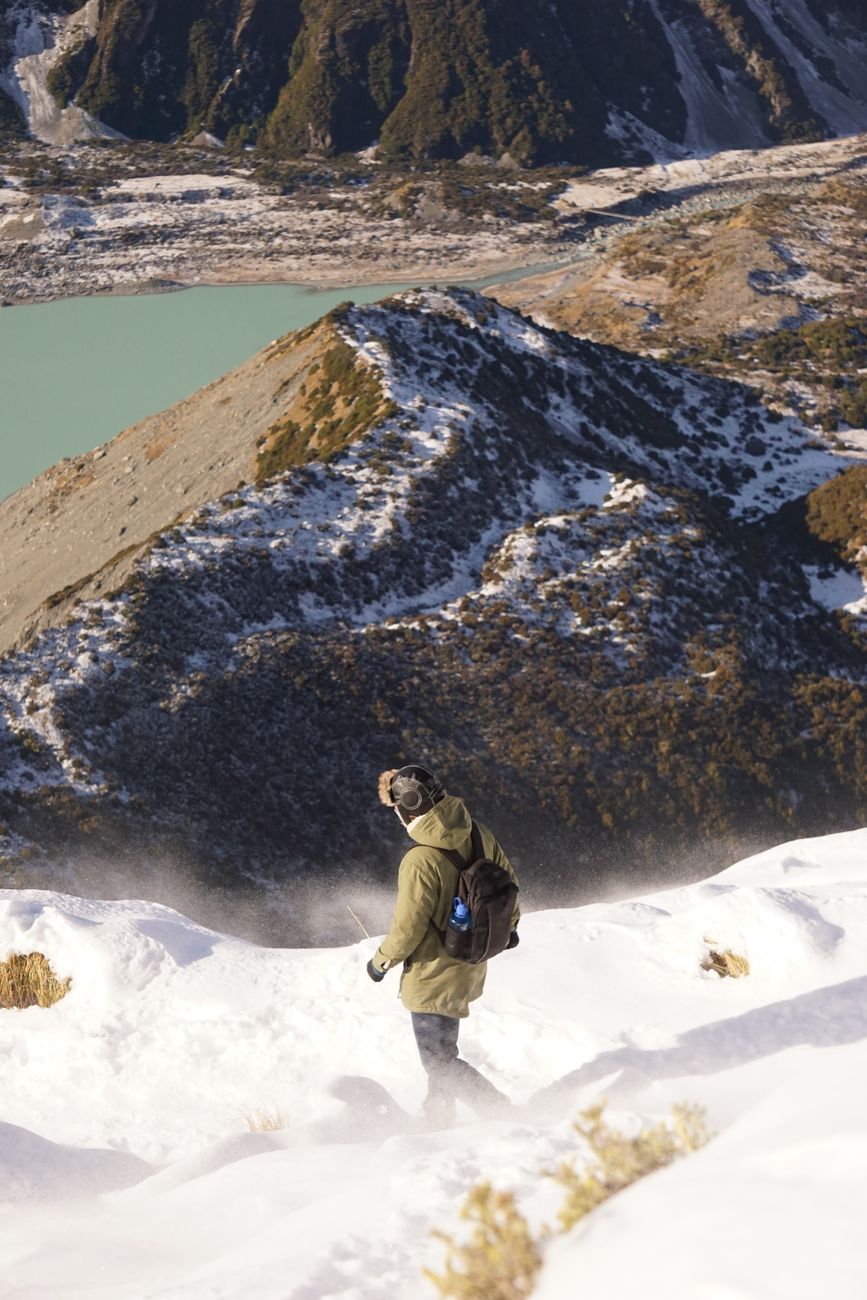
The South Island's Fiordland National Park is universally celebrated for its towering sheer diorite bluffs, beech forests blanketed in emerald moss, and cascading ribbons of glacier runoff. Yet during the peak summer window from December through February, hut bunks along the Routeburn and Milford Tracks sell out within minutes of the Department of Conservation (DOC) booking booking system opening. For travelers desiring solitude, the shoulder periods—late April through May and mid-October through November—offer an intoxicating, wild tranquility, provided one is thoroughly prepared for harsh alpine volatility.
The Realities of Autumn and Late Spring Weather
Fiordland is one of the wettest inhabited places on Earth, averaging between 6,000 and 9,000 millimeters of rainfall each year. During the shoulder season, precipitation at valley floor level frequently translates to heavy snowfall across key saddles such as the Harris Saddle (1,255 meters) on the Routeburn or Mackinnon Pass (1,154 meters) on the Milford. Temperatures can plummet from an agreeable 14°C in morning sunlight to well below freezing within ninety minutes as southerly frontal systems sweep upward from Antarctica.
"In shoulder season Fiordland, pack as though your shelter depends entirely on the layers inside your dry bag. The DOC rangers may not be stationed full-time in the huts, meaning you become your own primary emergency response."
Essential Gear Considerations for Sub-Alpine Fiordland
- Personal Locator Beacon (PLB): Cellular coverage is non-existent beyond the Divide and Te Anau Downs. Renting a 406 MHz distress beacon from Te Anau or Queenstown is mandatory.
- Waterproof System: Lightweight urban raincoats will wet out within twenty minutes under Fiordland deluge. Utilize a durable 3-layer Gore-Tex or eVent hardshell with taped seams and pit zips.
- Alpine Spikes / Microspikes: In late October, shaded avalanche paths below the Harris Saddle retain firm, frozen snow bridges where slipping can result in serious injury.
- Sub-Zero Sleeping Bag: Without peak-season hut warden management, hut coal burners and gas heaters are frequently inactive or unstocked. Bring a sleeping bag rated down to at least -5°C comfort.
Transport Logistics & Road Passes
Traversing the Milford Road (State Highway 94) to reach the trailhead requires crossing the historic Homer Tunnel. In spring and late autumn, avalanche hazard management triggers frequent road closures operated by NZ Transport Agency (Waka Kotahi). Always monitor morning road conditions before driving past Te Anau, carry snow chains suitable for your vehicle tires, and maintain at least half a tank of fuel since there are no retail fuel pumps at Milford Sound.
Need Advice on Route Feasibility?
Our field team frequently assists international hikers in assessing weather windows and selecting safe alternative low-elevation tracks.
Send an Expedition Question